Quiet Sustainable Exercise Bikes: Eco Buyer's Guide
By Diego Santos • 3rd Nov
Let's talk about sustainable exercise bikes that actually fit real life. Not the flashy models drowning in subscriptions, but eco-friendly stationary bikes you will use quietly and consistently. Because the greenest machine isn't just made from recycled parts (it's the one you keep using without disturbing your household or your conscience). Start small, stay quiet, and compound the wins.
I've watched neighbors cancel studio memberships after months of dust-collecting bikes. Why? Noise, subscriptions, and setups that felt like rocket science. Then I helped one ditch his bundled screen, pair a humble tablet, and set three default workouts. Four weeks later? Streak intact. He bought pedals, not another subscription. Momentum thrives when setup friction disappears. Here's how to find a bike that lasts (for your home and the planet).
Why "Sustainable" Means More Than Recycled Plastic
What makes an exercise bike truly sustainable?
True sustainability isn't just about recycled materials. It's a bike that stays in use because it's quiet, reliable, and adapts to your existing apps. A recent Lifecycle Assessment study confirms: the biggest carbon footprint of exercise equipment comes from abandonment (when noisy, subscription-locked bikes end up in landfills after 6 months). Sustainable means:
- Ultra-low noise/vibration (so you ride at 6 AM without guilt)
- No mandatory subscriptions (avoiding digital waste)
- Standard parts (9/16" pedals, replaceable seats)
- 3+ year warranties (proving durability)
Defaults beat willpower. Your eco-friendly bike should "just work" with your Apple Watch or free apps (no extra dongles).
Don't trust "eco" claims without proof. What should I check?
Many brands tout "recycled materials" but skip the hard stuff: noise levels, repairability, and data ownership. Drill deeper:
- Ask for decibel/vibration specs at real apartment volumes (not just "quiet" claims)
- Verify Bluetooth FTMS/ANT+ FE-C support (ensures compatibility with free apps like Zwift or TrainerRoad)
- Check warranty coverage for all parts (not just the frame). For example, "180 days on electronics" = red flag
Pro tip: If the brand doesn't publish repair manuals or sell spare parts online, skip it. Sustainability requires serviceability. For step-by-step care that extends lifespan, see our exercise bike maintenance guide.
Making Quietness Your Sustainability Superpower
How does noise reduction lower my carbon footprint?
Every vibration your bike transmits to the floor wastes kinetic energy, and annoys humans. Belt drives (vs. chains) and rubber-mounted flywheels convert that wasted motion into usable power. The Sunny Health & Fitness Elite Recumbent Cross Trainer uses a belt drive system that operates at 52 dB (quieter than a library), which means:
- Less energy lost as heat/sound
- No need for thick (resource-heavy) floor mats
- Longer ride times without disturbing others, which means more consistent use
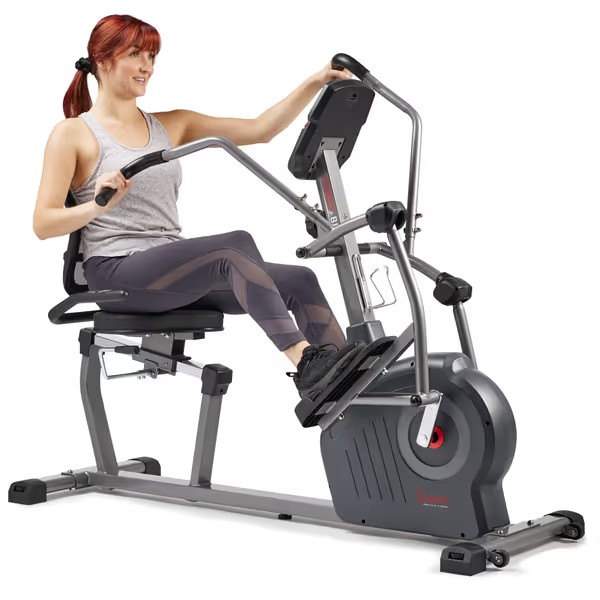
Sunny Health & Fitness Elite Recumbent Cross Trainer
Low-impact, full-body recumbent elliptical for comfortable, app-connected home workouts.
$599.99
Resistance Levels12 Magnetic
Resistance Levels12 Magnetic
Pros
Gentle on joints, ideal for recovery and rehab.
Full-body workout with arm and leg engagement.
Easy on/off design and comfortable mesh backrest.
Cons
Mixed feedback on assembly and long-term seat sturdiness.
Customers find this elliptical trainer to be a top-quality piece of exercise equipment that works smoothly and is well worth the price. They appreciate its comfort, ease of use, and ability to strengthen both arms and legs, with one customer noting it's particularly suitable for cardiac rehab.
Customers find this elliptical trainer to be a top-quality piece of exercise equipment that works smoothly and is well worth the price. They appreciate its comfort, ease of use, and ability to strengthen both arms and legs, with one customer noting it's particularly suitable for cardiac rehab.
Which "eco" features are actually greenwashing?
Beware these misleading claims:
- "100% recycled frame": ignores that flywheels (80% of weight) are usually virgin steel
- "Energy-generating pedals": most produce <5 watts, powering a single LED, not your grid
- "Carbon-neutral shipping": means little if the bike breaks in 12 months
Real sustainability = reducing total cost of ownership. A bike with a 3-year warranty (like the Sunny Elite's) and replaceable parts avoids the 87kg landfill burden of premature replacement.
Your Eco-Buying Checklist: Practical Steps
How do I verify a bike's sustainability claims?
- Listen to real apartment tests (YouTube channels like Quiet Fitness Lab measure dB in actual condos)
- Check OpenRepair Alliance for spare parts availability
- Demand Bluetooth FE-C support, which ensures compatibility with free apps and avoids subscription lock-in
Skip brands requiring proprietary apps. If you can't ride without paying $15/month, it's not sustainable. See our 3-year cost breakdown of budget smart bike alternatives.
What's the most eco-friendly resistance type?
| Type | Sustainability Pros | Reality Check |
|---|---|---|
| Magnetic | No friction wear, lasts longer | Often uses rare-earth magnets (mining impact) |
| Air | Simple mechanics, ultra-repairable | Louder; power curve feels unnatural |
| Friction | Lowest upfront cost | High maintenance; pads wear out fast |
For true sustainability, magnetic wins (but only if the brand stocks replacement magnets). Sunny Health & Fitness includes magnetic resistance with a 3-year frame warranty, avoiding the "throwaway bike" cycle. Not sure which system fits your needs? Read our magnetic vs friction comparison for quietness and durability.
How can I reduce my bike's energy footprint?
- Ditch the touchscreen: Models like the Sunny Elite use LCD monitors (0.5W vs. 30W for HD screens)
- Power via USB: Many modern bikes (including SunnyFit-compatible models) run on phone power banks
- Use offline apps: Free apps like BikeRadar track metrics without cloud dependence
Energy-efficient cycling isn't about generating power, it's about wasting less. A no-screen setup saves 200+ kWh/year vs. touchscreens. For layout tips that further cut noise and clutter, see our quiet home bike setup guide.
Long-Term Thinking: Bikes That Outlive Trends
Why "repairability" beats "recycled materials"
A bike made from 30% ocean plastic but held together by glued parts? Less sustainable than a virgin-steel model with user-replaceable bearings. Focus on:
- Modular design (e.g., seatposts that match standard bike specs)
- Available service manuals (search brand + "repair manual PDF")
- Local mechanic support (e.g., brands partnering with bike shops)
I trained a client using a 12-year-old refurbished magnetic bike, because its parts matched her local bike shop's inventory. That's circular economy done right.
What warranty terms actually signal sustainability?
Look for:
- Frame: 3+ years (proves structural integrity)
- Electronics: 1+ year (avoids planned obsolescence)
- No "subscription voids warranty" clauses
Short warranties = low confidence in longevity. Sunny Health & Fitness's 3-year frame/180-day parts coverage is a baseline, not a premium. Compare warranties and support in our brand reliability and service comparison.
Final Truth: Your Quietest Ride Is the Greenest
Sustainable exercise bikes aren't about perfect eco-credentials. They are about reliability that keeps you riding. If your bike wakes the baby, you'll quit. If it demands $40/month, you'll resent it. True sustainability is the intersection of:
- Quiet operation (so rides happen consistently)
- App-agnostic freedom (no forced subscriptions)
- Repair-friendly design (no landfill destiny)
The best eco-bike fits your existing routine, not the other way around. Start with noise levels. Then verify Bluetooth compatibility with your free apps. Finally, check warranty terms against abandonment stats (industry average: 68% of bikes unused by Month 7).
Your next step: Measure your apartment's ambient noise at 6 AM. If a bike can't operate below that level, pass, no matter how "green" the marketing claims. Because the most sustainable bike is the one you actually use.
Defaults beat willpower. Your eco-friendly bike should "just work" with your Apple Watch or free apps (no extra dongles).
Related Articles