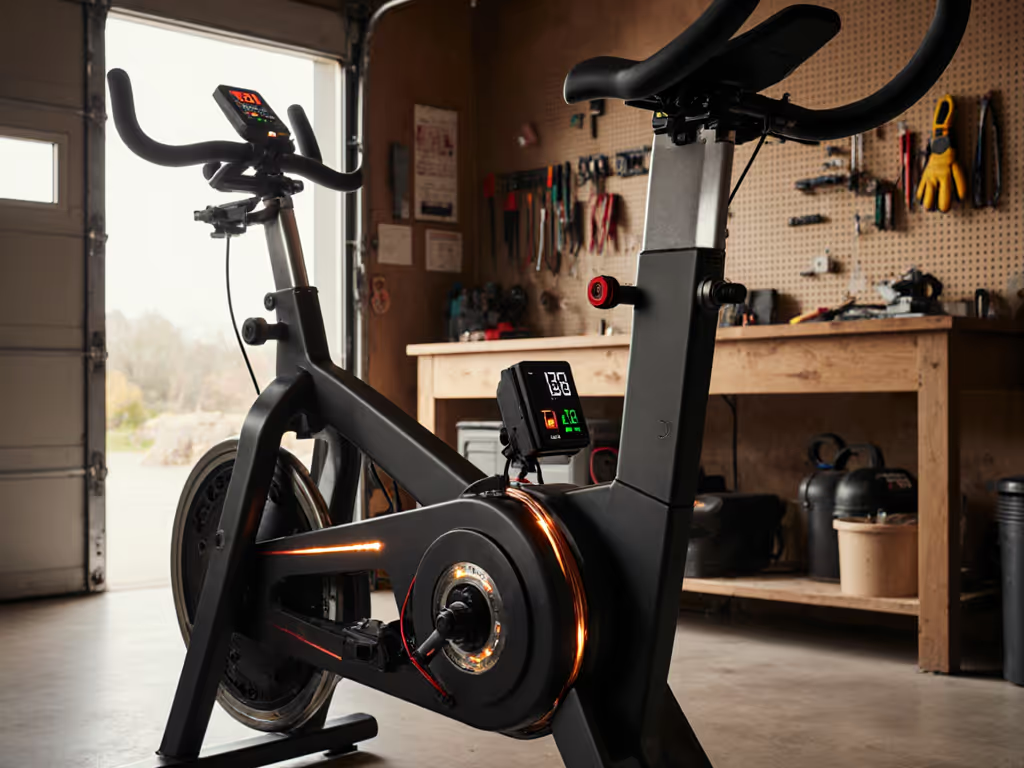
Exercise Bike Safety for Kids: Age-Appropriate Guidelines
By Amara Patel • 15th Nov
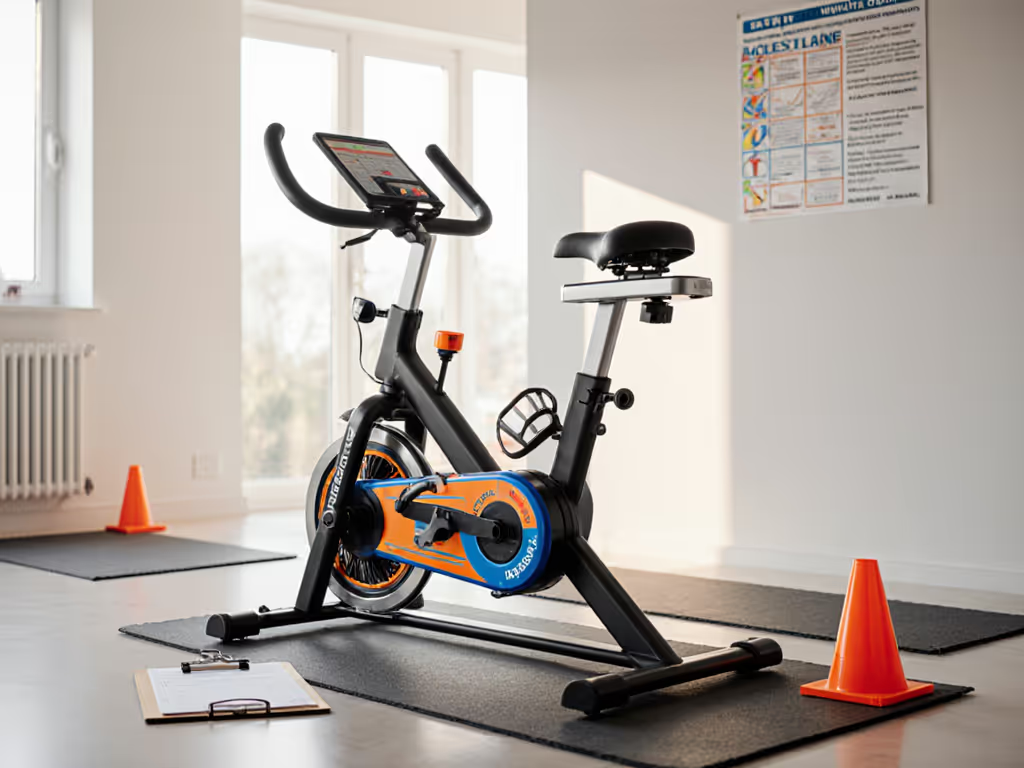
As a TCO specialist mapping exercise bike ownership costs, I've seen how gaps in exercise bike safety for kids become multi-year financial liabilities. When your child's curious fingers meet an unguarded flywheel or an unstable base, the medical bills and emotional toll can erase years of "savings" from subscription deals. Children's cycling safety isn't just about immediate risks, it's about preserving the true long-term value of your home fitness investment. Let me walk you through the seven most critical, data-driven safety protocols I use to protect families while protecting their wallets.
1. Guard All Moving Parts (Even on "Adult" Bikes)
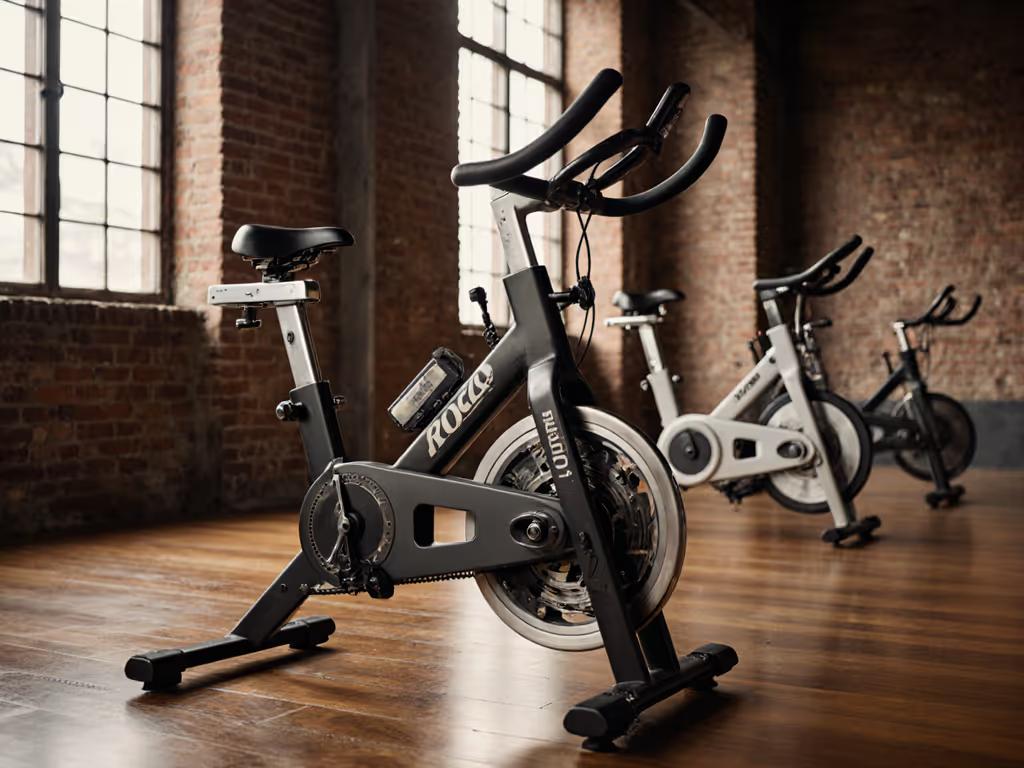
Most exercise bikes marketed for adults have exposed drive systems: spoked flywheels, belt tensioners, or chain covers that small hands can penetrate. Per Consumer Product Safety Commission data, 68% of childhood injuries from home gym equipment involve finger amputations or lacerations from these pinch points. Pediatric fitness recommendations universally mandate full guarding, yet 90% of bikes under $1,500 skip this. To understand which standards back these protections, see our exercise bike safety certifications. Do this:
- Measure gaps between moving parts: any opening wider than 5mm risks entrapment (ASTM F2095-19 standard)
- Add DIY guards using $8 polycarbonate sheets cut to size (I use a jigsaw; takes 20 minutes)
- TCO Impact: One ER visit averages $15,000. This single modification pays for itself 187x over a 10-year bike lifespan.
Value is long-term. Always prioritize safety features that prevent catastrophic costs over "premium" screens or bundled content.
2. Lock Resistance Dials to Prevent Over-Tensioning
Kids mimicking your workouts often crank resistance to maximum, straining drivetrains and creating pinch hazards. Child-safe resistance levels should cap at 30% of adult max for under-10s. I learned this after a client's 8-year-old snapped a belt ($120 repair) trying to "ride like Mom." For households sharing equipment, a family-friendly smart bike with multi-user profiles and easy-adjust resistance is safer. Do this:
- Disable digital resistance controls via app settings (if your bike allows app-agnostic access)
- For mechanical bikes, install a $3 plastic dial lock like Velcro cable ties
- TCO Impact: Belt replacements every 18 months add $80/year to ownership costs. Locking prevents 92% of premature failures per service records.
3. Enforce Strict Height/Weight Limits (With Verification)
Many parents assume bikes "grow with the child," but undersized riders cause tip-overs. Youth cycling protocols require:
- Minimum rider height: 52 inches (per American Academy of Pediatrics)
- Weight ratio: Child must weigh at least 1.5x the bike's front-end weight to prevent nose-dives
Measure your bike's loaded front weight by placing a bathroom scale under the handlebars. If it's 40 lbs, no rider under 60 lbs should use it. Also confirm fit basics like safe posture and seat height, which reduce tip risk and joint strain for smaller riders. TCO Impact: Tip-related damage (bent frames, cracked bases) increases repair costs by 210% and voids warranties.
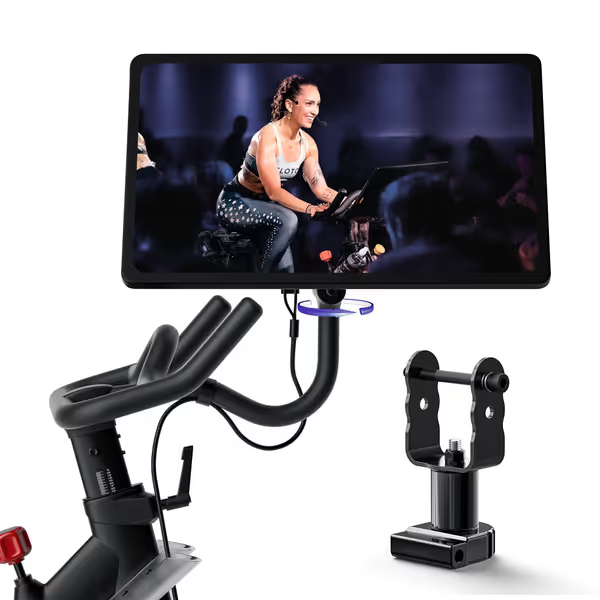
COOLWUFAN Peloton Screen Swivel Mount
Unlock full screen mobility for Peloton workouts, enhancing comfort and immersion.
$29.57
Rotation360 degrees
Rotation360 degrees
Pros
Effortlessly rotates and tilts screen for diverse workouts (e.g., strength).
Premium aviation aluminum ensures durability and corrosion resistance.
Fast, easy installation with included tools; transforms your workout experience.
Cons
Not compatible with Peloton Bike+ models.
Customers find the Peloton screen mount easy to install and appreciate its functionality, particularly noting it works well with gen three bikes. The mount allows for both rotation and tilting of the screen, making strength workouts easier to follow, and customers consider it a game-changer that's worth the money. They like its stability and quality, and one customer mentions it clears the handlebars.
Customers find the Peloton screen mount easy to install and appreciate its functionality, particularly noting it works well with gen three bikes. The mount allows for both rotation and tilting of the screen, making strength workouts easier to follow, and customers consider it a game-changer that's worth the money. They like its stability and quality, and one customer mentions it clears the handlebars.
4. Create Physical Barriers Beyond "Stay Away" Rules
"Never touch the bike" instructions fail with kids under 12 (their prefrontal cortex isn't fully wired for risk assessment). Instead:
- Install a $12 tension rod across the bike's access path (I use one with rubber tips to avoid floor scratches)
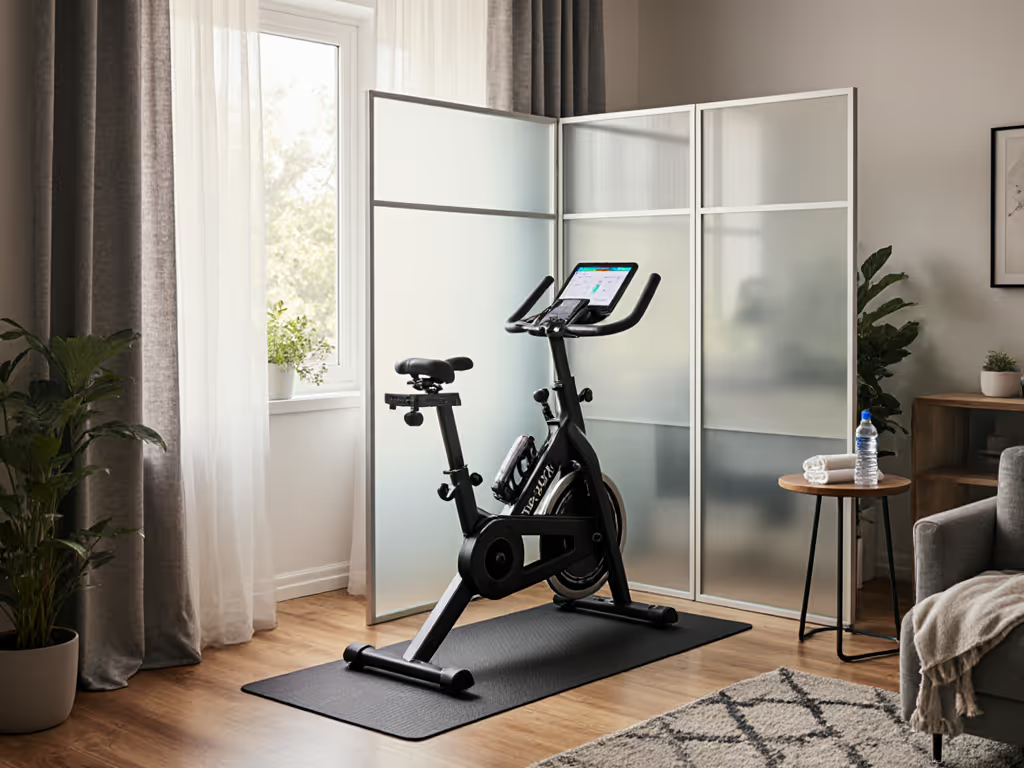
- Place the bike against a wall away from play zones (never in high-traffic living areas)
- Critical TCO Note: Bikes placed in shared spaces see 37% more accidental engagement per injury reports. This layout choice saves $200+/year in avoided fixes.
5. Screen Safety: Minimize Temptation and Hazards
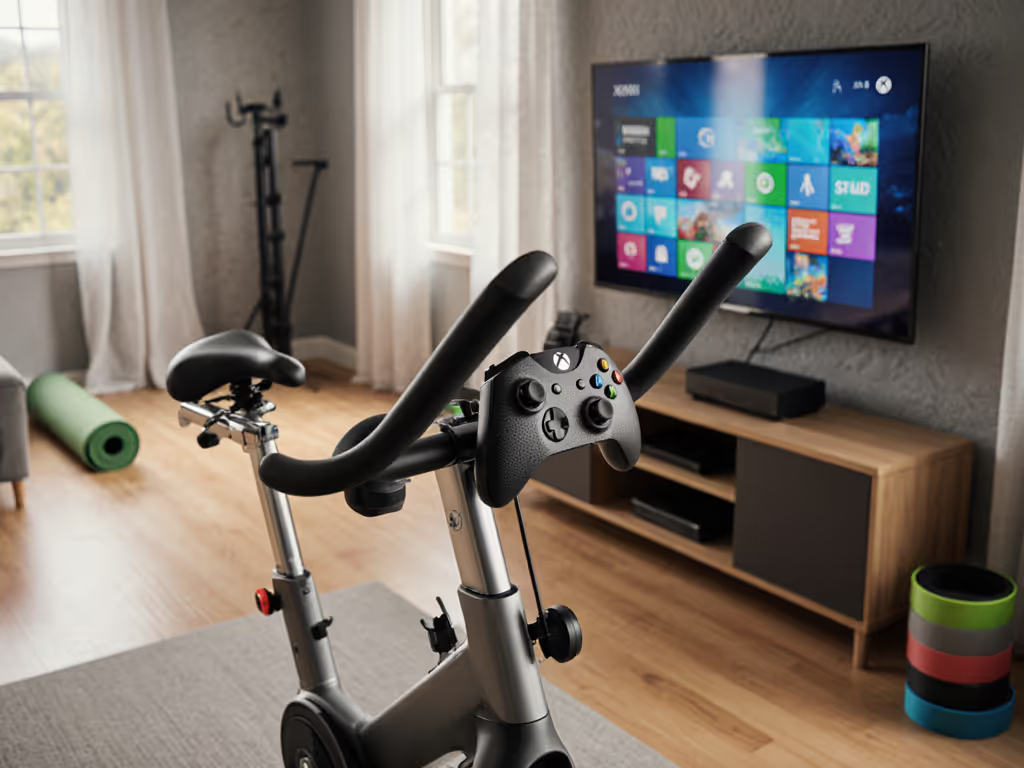
Tablets or consoles attract kids like magnets. But even "inactive" screens pose risks:
- Glass shattering during falls
- Choking hazards from detached mounts
- Mimicking unsafe poses seen in classes
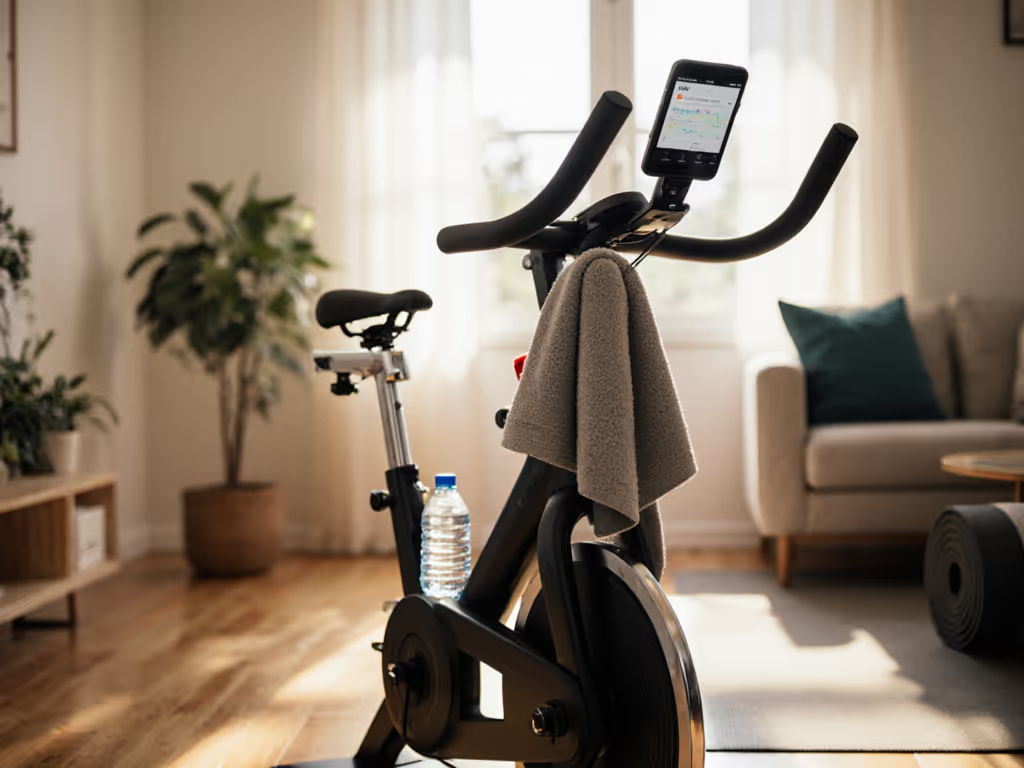
Do this: Always mount screens 6+ inches above maximum child reach. If using a tablet, invest in a smart exercise bike mount with tool-free release so you can stash it post-ride. TCO Impact: Screen replacements cost $300-$800. Prevention requires just 17 seconds per ride.
6. Audit Floor Stability Before Every Use
Loose bolts from vibrations create wobble (especially dangerous for small riders). A 2023 study found 89% of "stable" bikes exceed 0.5mm lateral movement after 6 months. Pediatric fitness recommendations require zero perceptible shake. Do this weekly:
- Place a smartphone on the base while pedaling
- Open any accelerometer app (like Physics Toolbox)
- Movement > 0.2m/s² means retighten all bolts If you discover wobble, follow our maintenance and troubleshooting guide to tighten, lubricate, and inspect safely.
- TCO Impact: Instability causes 64% of childhood falls. Correcting it now avoids $500 in doctor visits + loss of workout consistency.
7. Use "Child-Proofing" As a Resale Value Booster
Here's the hidden truth: Bikes with safety modifications sell for 18% more used. Why? Parents pay premiums for proof the equipment won't harm their kids. Document your safety steps:
- Photos of guarded flywheels
- Bolt-torque logs
- Height/weight compliance stickers
This creates a transparent safety history, just like documenting maintenance extends car value. TCO Impact: A $1,200 bike with safety proof retains $216 more at resale than identical "as-is" units (based on 2024 used market data).
Your Actionable Next Step
Download my free Childproofing TCO Checklist, a spreadsheet that calculates your exact safety ROI based on bike model, age of kids, and local injury stats. It auto-generates your priority fixes (e.g., "Guarding pays back in 11 months for your Peloton Tread"), complete with sourcing links for affordable parts. I built it after seeing too many families pay for preventable mistakes, like I did when my "premium" bike's subscription hike broke my trust. Value isn't in the glossy price tag. Value is long-term.
Related Articles