Exercise Bike Asthma Guide: Breathe, Ride, Thrive
By Diego Santos • 24th Apr
Can I Really Use an Exercise Bike if I Have Asthma?
Yes. Full stop. Exercise bike asthma management is not only possible, it's one of your best paths to consistent indoor fitness. Indoor cycling lets you control temperature, humidity, air quality, and pace in ways outdoor running or even gym classes never will.[1] That control is everything. For tips on optimizing room layout, ventilation, and noise control, see our quiet home bike setup guide.
The truth many people miss: asthma doesn't mean rest. It means smart setup. I once worked with a neighbor who'd stopped cycling years ago, convinced his asthma made it impossible. We ditched the complicated app ecosystem, pulled a simple tablet on a stand, leveled his bike on rubber pucks for quietness, and set three default workouts. No decisions. No friction. Four weeks later, his streak was unbroken. The momentum didn't come from motivation. It came because the setup got out of his way.
Quiet setup, quiet mind.
That's the lens I want you to look through as we walk through this guide.
What Is Exercise-Induced Asthma, Anyway?
Exercise-induced bronchospasm (EIB), or exercise-induced asthma, happens when airways tighten during or shortly after physical activity.[4] Symptoms typically show up 5-20 minutes after you start exercising, or 5-10 minutes after you stop.[4]
Watch for:
- Coughing
- Chest tightness
- Wheezing
- Unusual fatigue
- Shortness of breath
- Lower performance than normal[4]
The culprit? Temperature changes in your airways and cold, dry air.[2] When you exercise hard, you breathe through your mouth instead of your nose, and your nose is what warms and humidifies the air before it reaches your lungs.[2] That's why indoor cycling, where you can control the temperature and humidity, sidesteps so many triggers.
Why Indoor Cycling Beats Other Exercises for Asthma
Here's what the evidence shows:[1][3][4][6]
- Indoor cycling is gentler than running. The bike carries part of your weight. Your legs do the work, but gravity doesn't pile on.
- Swimming and cycling are the gold standards. Swimming happens in warm, humid air, which your airways love.[3][4] Indoor cycling mimics that controlled environment.
- Short-burst sports work too (golf, baseball, volleyball), but they're unpredictable and require group coordination.
- Cold-weather sports are your enemy. Hockey, skiing, and constant-motion activities like basketball trigger symptoms more often.[2][6]
Cycling indoors? You control every variable. Start small, stay quiet, and compound the wins. That's the rhythm.
The Essential Pre-Ride Checklist: EIB Prevention Cycling
Warm Up Properly
This one is non-negotiable. Do 15-20 minutes of gradual warm-up before your main workout.[3][5][9] Don't jump straight into intensity.
Here's the step:
- Start with easy pedaling for 3-5 minutes.
- Slowly increase speed and resistance over the next 10-15 minutes.
- Listen to your body. If you feel tightness, ease off.[5]
Why? Sudden temperature changes in your airways trigger symptoms.[3] A slow, steady warm-up gives your lungs time to adjust.
Medication Timing
If your doctor prescribed a pre-treatment inhaler or corticosteroid for exercise, take it 15-30 minutes before you ride.[5] This is your baseline. Mark it in your calendar on ride days. No guessing.
Environment Check
Before you mount:
- Is the room temperature neutral to warm? Cold air is a trigger.[2]
- Humidity okay? Aim for 30-50% if you can, not desert-dry.[3]
- Air quality decent? Avoid riding near open windows on high-pollen days or when outdoor air quality is poor.[3][9] If outdoor smog or pollen is a constant, consider bikes with built-in filtration from our air filtration exercise bike comparison.
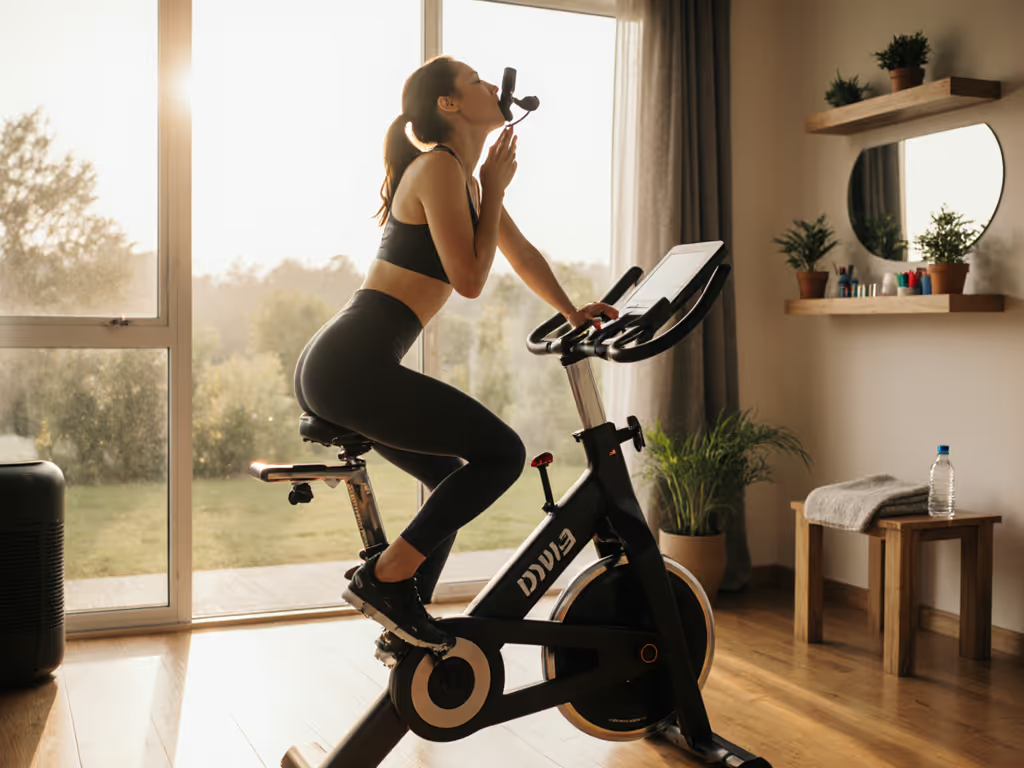
In winter or dry climates, wear a scarf or mask over your mouth and nose.[3][9] It warms and humidifies the air before it reaches your lungs. It also signals to your brain: Ride carefully.
Hydration
Drink water before, during, and after your ride.[3][7] Dehydration makes airways more reactive. Fill a bottle and place it within reach. No reaching across the room mid-ride.
Breathing Techniques for Asthmatics on the Bike
Breathe Through Your Nose
When you can, inhale through your nose, exhale through your mouth.[4][9] Your nose filters, warms, and humidifies the air. Your mouth just gulps it cold and dry. The difference is real.
Early in your ride, when intensity is low, nose breathing is completely doable. As you work harder, you'll shift to mouth breathing naturally, and that's fine. But train yourself to nose-breathe when the pace is easy. It becomes automatic.
Listen for Your Rhythm
If you notice wheezing, chest tightness, or unusual fatigue, stop immediately and use your rescue inhaler.[10] Symptoms can last an hour or longer if untreated.[4] Don't push through.
There's no prize for suffering. Consistency beats complexity. A 20-minute ride where you feel strong beats a 40-minute ride where you're gasping. Many riders with respiratory sensitivity thrive on Zone 2 cycling, which emphasizes steady, conversational pacing. You'll come back tomorrow if today felt good.
The Cool-Down Ritual
Cooldown is just as important as warm-up.[3][5] Spend 15-20 minutes winding down:
- Reduce resistance and speed gradually.
- Finish with 5-10 minutes of easy pedaling or stretching.[5]
Sudden stops can trigger delayed asthma symptoms. Your lungs need a ramp down, not a cliff.
Identifying Your Personal Triggers
Not all asthma is the same. Not all EIB is the same.
Work with your doctor to figure out:
- Does pollen trigger you? If so, exercise indoors during high-pollen seasons.
- Does cold air? Adjust the thermostat or move your bike to a warmer room.
- Does pollution? Check your city's air quality index before outdoor runs; stick to indoor cycling on orange, red, or purple days.[8]
The more you know your triggers, the fewer surprises you'll have. Log your rides. Note how you felt, what the conditions were, whether you used your inhaler. Patterns emerge fast.
Building Your Quiet, Sustainable Routine
Here's what actually sticks: the setup that disappears.
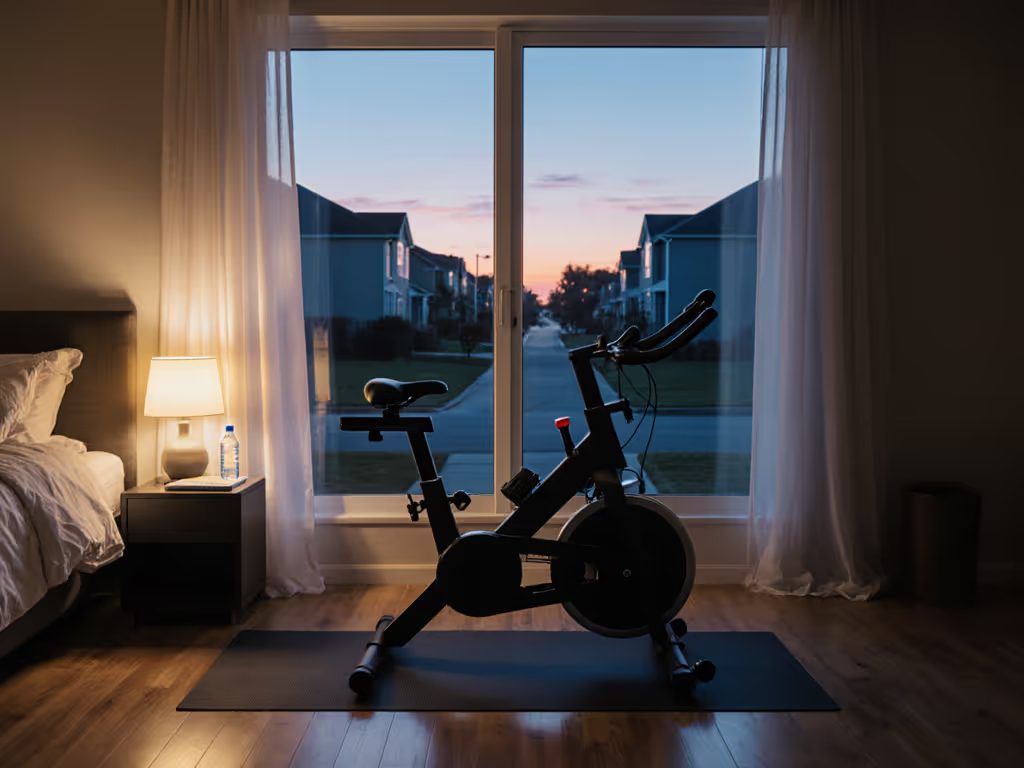
Choose an exercise bike that operates quietly (no joint noise, no violent vibration through your apartment floor). Position it on rubber pads if needed. Set your three default workouts (easy, moderate, hard) so you never waste decision energy on "What should I do today?" Not sure how to structure those? Start with our beginner-friendly bike routines. Keep your medication and water bottle in the same spot every time.
The goal is quiet setup, quiet mind, a routine so low-friction that you do it without thinking. That's when momentum compounds. That's when you become the person who rides, not the person who tries to ride.
Should I Talk to My Doctor First?
Yes. Before you start any new exercise program, especially with asthma, get the all-clear from your primary care provider or pulmonologist.[2] If you suspect you have exercise-induced asthma but haven't been formally diagnosed, ask for a test.[2] Your doctor can run a spirometer test (you'll breathe into a tube before, during, and after exercise) to confirm what's happening and build a personalized action plan.[2]
A solid action plan from your doctor is your safety net. Carry it with you mentally if not on paper.
The Big Picture: Exercise Bikes and Asthma Success
Thousands of people with asthma ride bikes indoors every day. Many are professional athletes and Olympians.[8] There's nothing rare about thriving with asthma, only about building a friction-free routine that works for your body, your space, and your life.
Start small. Warm up. Cool down. Control your environment. Use your medication on time. Breathe through your nose when you can. Stop if something feels wrong. Come back tomorrow.
That's not a difficult protocol. That's a rhythm. And rhythms, when they're quiet and simple, last.
Related Articles