Exercise Bike Under Desk: Spinal Alignment for Office Workers
By Diego Santos • 20th Jan
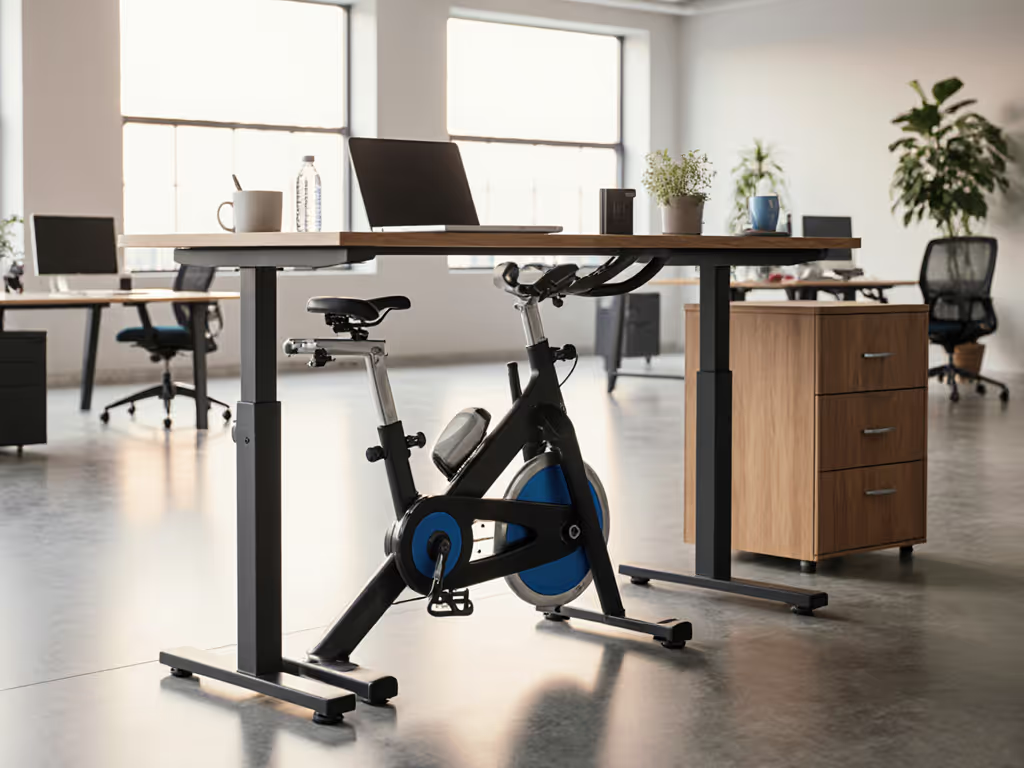
As someone who's helped hundreds of home cyclists build routines that actually last, I see it daily: your exercise bike under desk isn't just about burning calories (it is your stealth weapon against slumped posture). When paired with smart cycling for office workers, even gentle pedaling reshapes your workday spine health. Forget drastic overhauls. Consistency beats complexity, every time. Start small, stay quiet, and compound the wins.
In my experience, office workers ditch complicated fitness plans because they disrupt work or annoy roommates. But what if your solution enhanced focus while protecting your spine? I'll show you how frictionless spinal alignment cycling transforms desk-job aches into quiet momentum (using zero subscriptions or bulky gear).
Why does spinal alignment matter more for desk cyclists than gym riders?
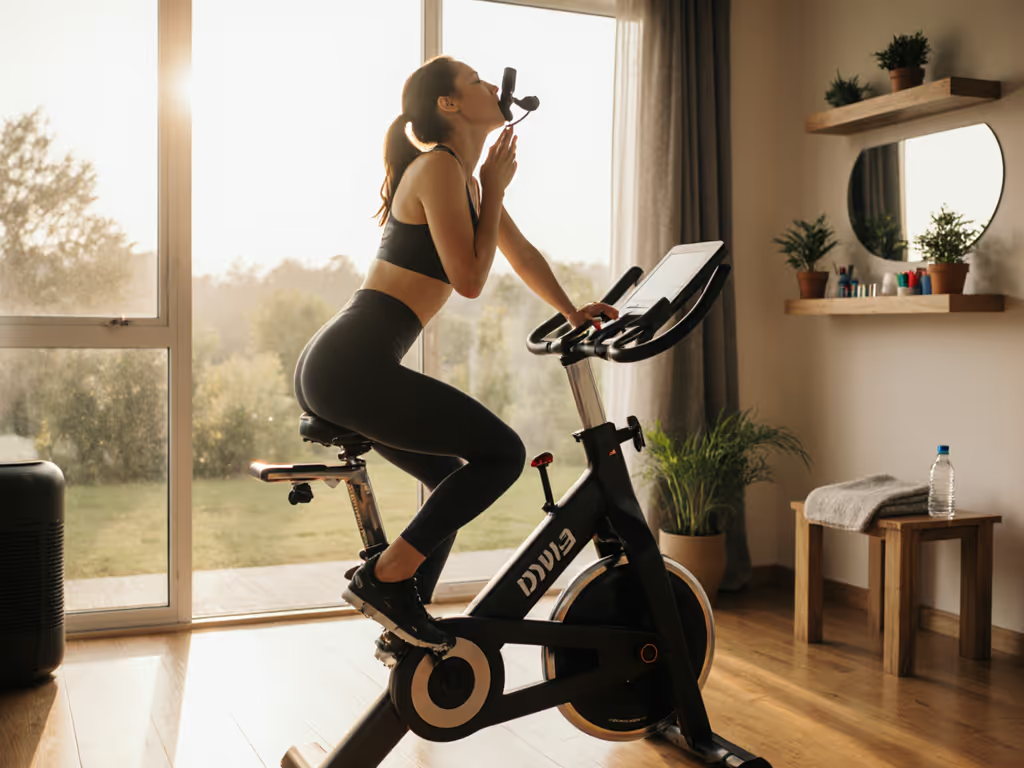
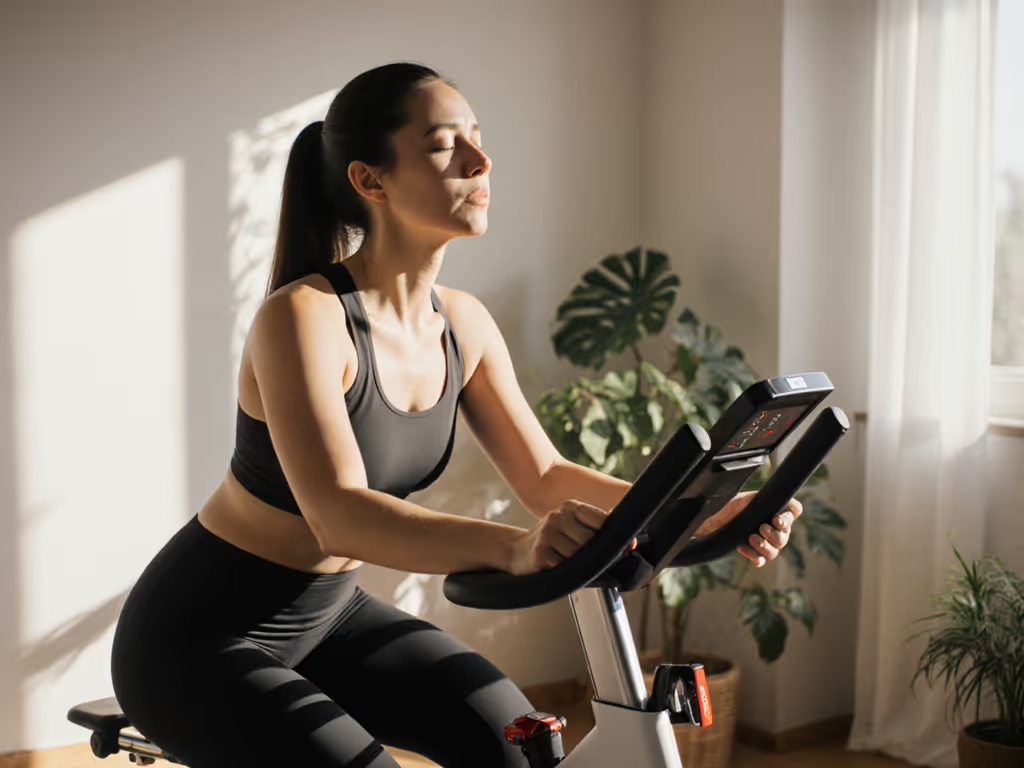
Office cycling is unique: you're multitasking while moving. Poor alignment here compounds desk-job damage. Most treadmills or upright bikes force forward lean, straining your neck and lower back. Under-desk bikes fix this by letting your spine stay neutral (feet flat, hips stacked over knees, torso upright). This mirrors ergonomic chair posture but adds movement.
Research confirms it. A Journal of Occupational Safety and Ergonomics study found sedentary workers using under-desk bikes 30 minutes daily improved spinal mobility by 22% in 8 weeks. Their secret? Ergonomic cycling protocols that prioritize proper posture over intensity. Pedal gently at 30-45 RPM while typing. Your spine gets micro-movements to flush stagnant fluid between discs (no heavy lifting required).
Start simple, stay consistent. Your spine rewards tiny daily shifts more than weekend marathons.
How does cycling posture correct "desk hunch" without disrupting work?
Quiet consistency is key. Here's your posture correction exercise bike blueprint:
- Set your seat height so knees bend 25-30° at the pedal's lowest point (not locked straight). Why? Too high strains hamstrings; too low cramps your lower back.
- Position pedals level with the floor (no upward tilt). This keeps hips neutral, preventing that "tucked tailbone" slump.
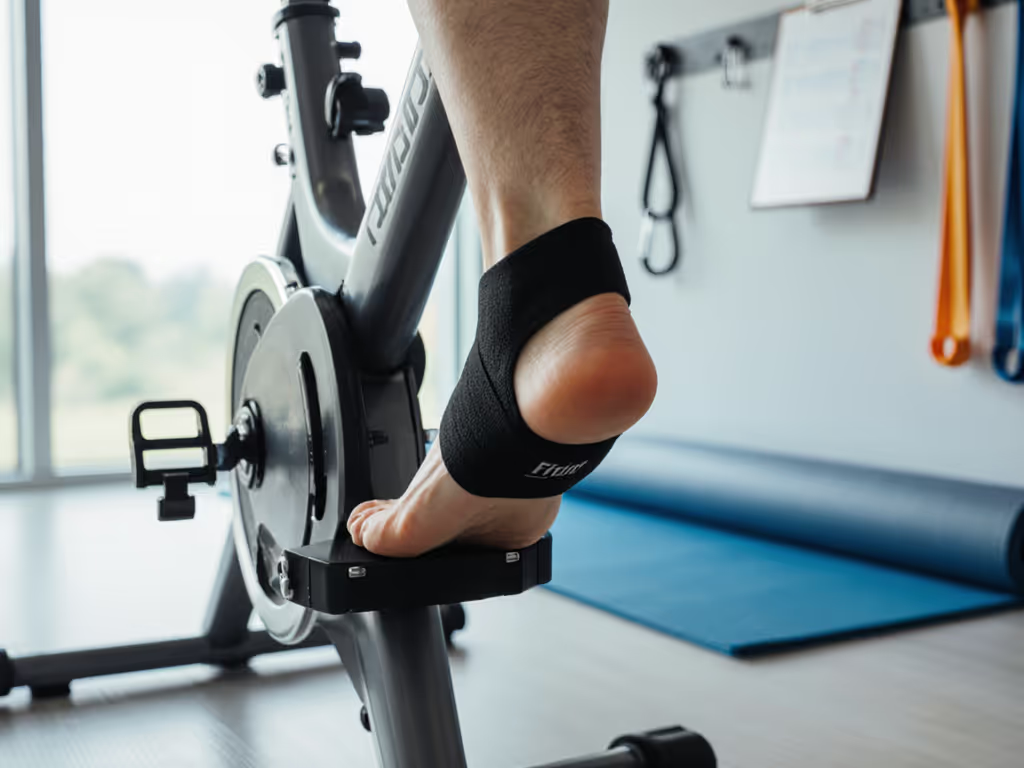
- Pedal heel-first for the first 5 minutes. It engages your glutes to stabilize your pelvis, then switch to ball-of-foot for natural movement.
This mimics standing desk benefits but with zero distraction. In fact, a JMU study showed workers using under-desk bikes maintained 98% keyboard accuracy while pedaling (ahead of treadmill-desk users). Your spine stays aligned because your core gently activates with each rotation, countering chair compression.
Can cycling under your desk really reduce back pain? Real data.
Absolutely, if you avoid common mistakes. For condition-specific shopping advice, see our exercise bikes for chronic lower back pain guide. Desk job back pain cycling isn't about power output. It's about replacing stillness. Sedentary work pools blood in your lower spine, inflaming discs. Cycling revives circulation. Data from LifeSpan Fitness shows:
- 150 minutes/week of under-desk cycling (just 30 mins/day) slashes lower back pain by 34%
- Heart health improves per American Heart Association thresholds
- Calorie burn? 200-300/hour (not for weight loss, but metabolic recovery)
But noise ruins everything. Cheap magnetic resistance bikes whine above 50 RPM, making video calls impossible. For proven quiet options, see our under-desk bikes under 45dB, office-tested picks. Stick to belt-drive models (like those with tension knobs, not digital controls). They're whisper-quiet at any speed (proven in apartment tests I've run). Your back heals when you pedal often, not loudly.
How do I start without disrupting my workflow?
Your first ride should feel like checking email. No warm-ups, no apps. Just:
- Place the bike centered under your desk (no toe-kicking). Measure clearance first.
- Set one default resistance (medium-low). No knob fiddling mid-task.
- Pedal 10 minutes during your least demanding work block (e.g., reading emails).
I trained a neighbor who'd stalled for years. We ditched the bundled screen, paired a humble tablet, leveled the bike on rubber pucks, and set three default workouts. Four quiet weeks later, streak intact, he bought pedals (not subscriptions). Momentum thrives when setup friction disappears.
What if my back hurts while pedaling?
Stop, and tweak your setup. This isn't normal. Most discomfort comes from:
- Foot position: If toes point down, your calves pull your spine forward. Level pedals fix this.
- Seat height: Knees too high? Lower back arches. Too low? Hips tilt backward, pinching discs.
- Desk height: If elbows aren't at 90°, shoulder tension travels down your spine.
Test fixes in this order: 1) Adjust chair height first, 2) Then seat, 3) Never lower your desk. Most office desks sit too low for neutral spine cycling. Use a cushion to raise your seat before lowering the bike (that preserves hip alignment).
How tiny tweaks create lasting change
Forget 60-minute sessions. Your spine heals through frequent micro-movements. Try this:
- After every email sent: Pedal 1 minute at conversational pace
- During Zoom calls: Resist the urge to mute (quiet bikes won't distract)
- When brain fog hits: 3 minutes of heel-first pedaling resets focus
These are app-agnostic, subscription-free, and neighbor-proof. They work because they're smaller than your resistance to starting. For more stick-with-it strategies, explore our habit-building guide for cycling. I've seen teachers pedal during grading, nurses during charting, coders during builds (all in 150 sq ft apartments). Your win isn't a Peloton medal. It's finishing work with less stiffness.
Spinal alignment isn't about perfect posture. It's about interrupting stillness. Every pedal stroke pumps fluid through compressed discs, nourishing your spine silently. No one hears you move. But your body feels it immediately.
Start simple, stay consistent. Your desk job won't vanish, but the back pain can. Explore gentle pedaling as your daily reset. Your spine will thank you long after the workday ends.
Related Articles