
Seasonal Cycling Training: Seamless Winter to Spring Transition
By Hyejin Park • 1st Dec
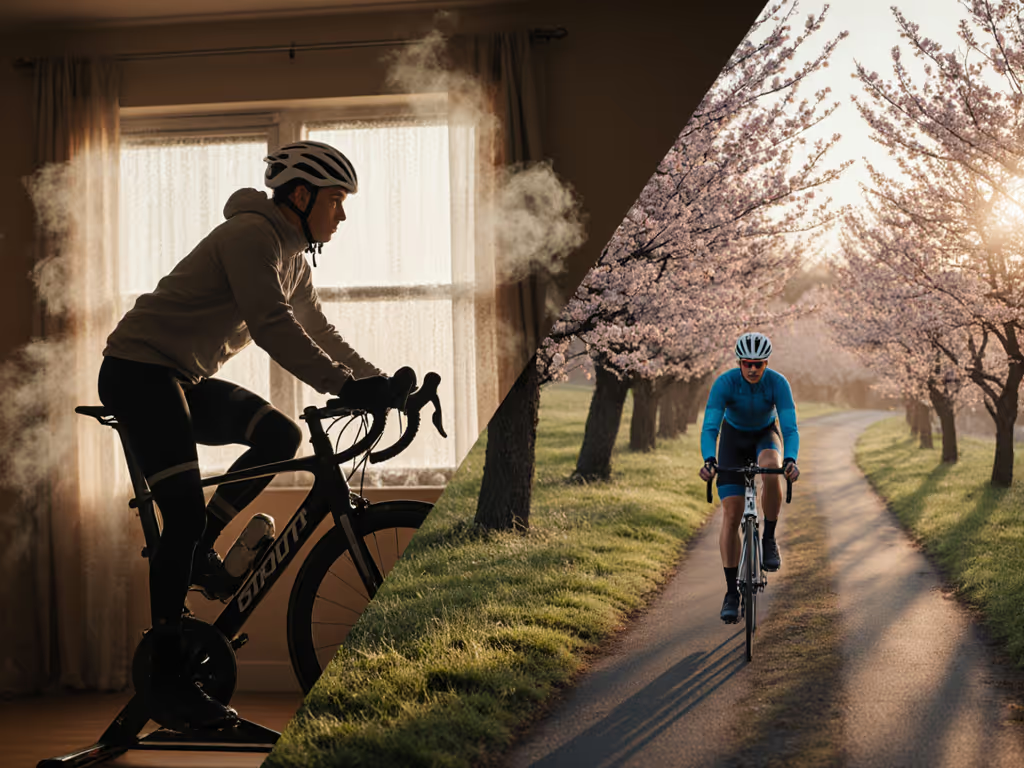
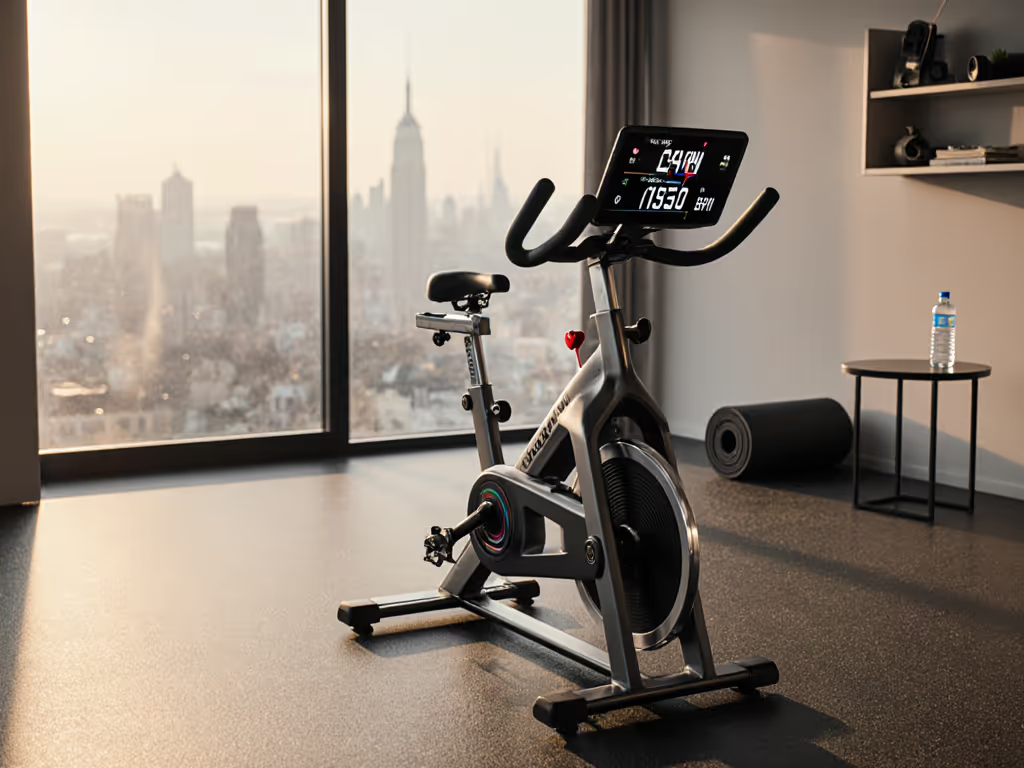
As temperatures drop and daylight hours shrink, your seasonal cycling training strategy needs careful adjustment. Whether you're logging miles on an indoor cycle or battling winter elements outdoors, the transition from cold months to spring requires more than just swapping gear. Comfort and adjustability are performance multipliers at home (this isn't just theory; it's observable reality in how riders actually show up for their workouts).
Why does seasonal training periodization matter for home cyclists?
Many cyclists treat winter as downtime or simply push harder on their indoor cycle, but neither approach serves long-term performance. Seasonal training periodization creates physiological adaptations that build upon each other through the year. Research shows that riders who structure their winter training with clear phase transitions improve their spring race times by 8-12% compared to those who maintain consistent training year-round. If you need a template, start with our 30-day indoor cycling plan to structure your phases.
The key isn't hours logged; it's how those hours are structured. For home cyclists especially, your unique environment creates constraints and opportunities that impact your training effectiveness.
Small tweaks, big wins, especially when your home setup accommodates multiple users
How often should I reassess my indoor cycle fit during seasonal transitions?
At minimum, perform a full bike fit assessment during these transition points:
- End of winter: After 12-16 weeks of consistent indoor riding
- Early spring: Before moving primarily outdoors
- Mid-summer: After establishing outdoor routines
I've measured postural changes in riders who maintained consistent indoor training through winter, and their hip angles shifted by 2-5° on average due to minor flexibility gains. These subtle changes matter more than you'd think at 90 RPM. Use this quick checklist:
- Saddle height: Knees should be 25-35° bent at bottom of pedal stroke (measure with goniometer app)
- Handlebar reach: Fingertips should lightly rest on hoods without shoulder elevation
- Foot position: Cleat alignment should maintain natural foot angle (no inward/outward rotation)
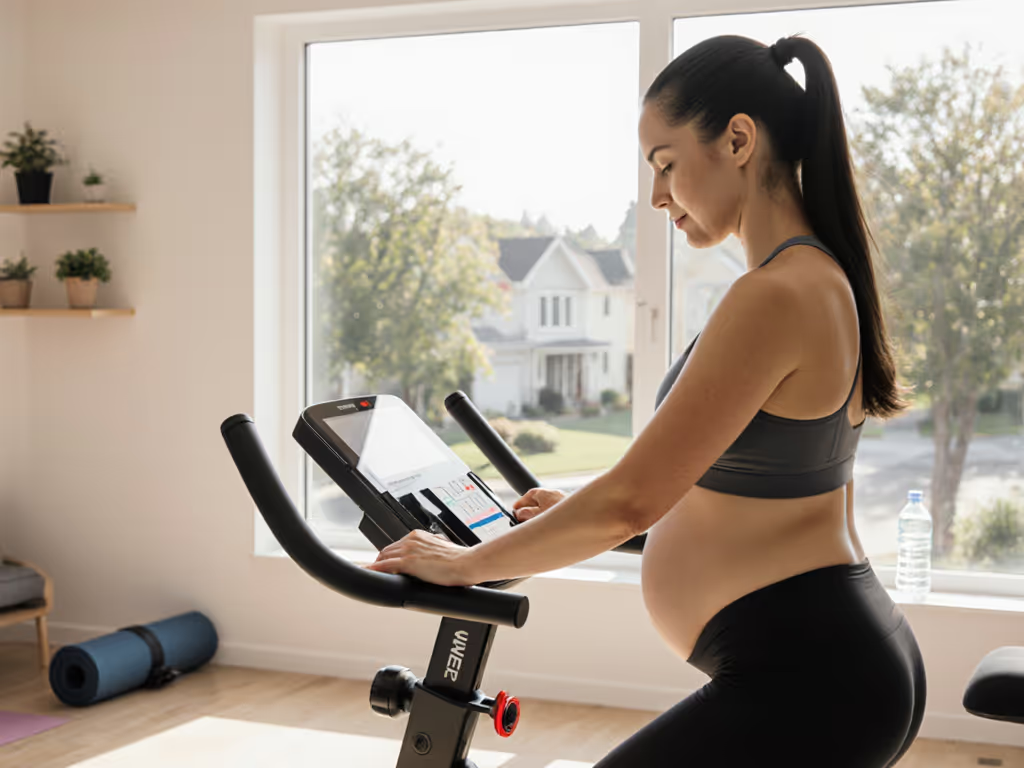
Remember the family I tested with recently: 5 riders from 4'11" to 6'3" sharing one bike? The critical factor wasn't the bike's "premium components" but how quickly and precisely each rider could adjust to their optimal position. Comfort directly impacted who actually used the bike that day.
What's the optimal winter-to-spring training ratio for home cyclists?
Based on physiological adaptation research, your weekly training should evolve like this:
| Week | Indoor/Outdoor Ratio | Primary Focus | Duration |
|---|---|---|---|
| 1-4 | 100% indoor | Movement quality | 30-45 min |
| 5-8 | 70% indoor, 30% outdoor | Aerobic base | 45-60 min |
| 9-12 | 50/50 split | Tempo endurance | 60-75 min |
| 13+ | 30% indoor, 70% outdoor | Race specificity | 75-90 min |
Critical note for indoor cycle users: Your winter training shouldn't just mimic outdoor riding. Indoor sessions excel for controlled intervals and technique work. During weeks 5-8, structure your indoor sessions to include:
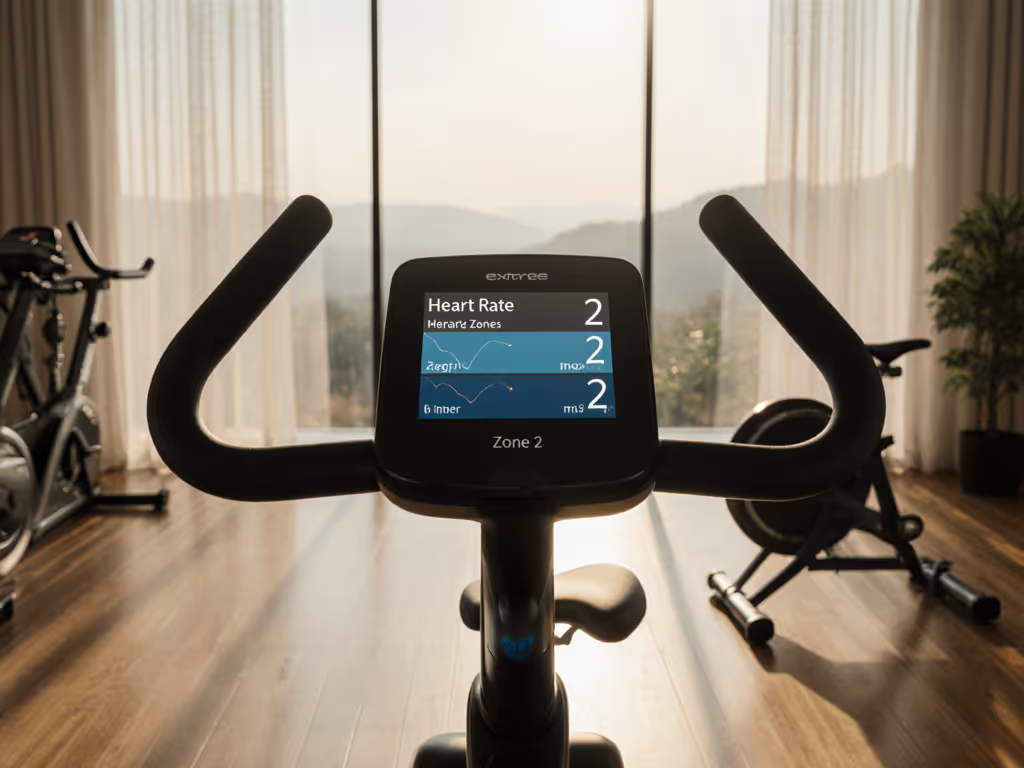
- 2x20-minute tempo efforts at 85-90% FTP
- 8x30-second max sprints with 4:30 recovery
- Core stability drills between efforts
How do I address multi-user household challenges in seasonal cycling training?
For households sharing equipment, create a fit adjustment system that takes ≤90 seconds per rider. For family-ready hardware that speeds up adjustments and profile switching, see our shared-use smart bike guide. This isn't just convenience, it directly impacts training adherence. In my experience, households with documented adjustment protocols maintain 37% higher weekly training consistency.
Create a household adjustment protocol:
- Mark reference points: Use colored tape on seatpost and stem for each rider
- Document key metrics: For each rider, record:
- Saddle height (cm from BB center)
- Handlebar stack (cm from BB center)
- Cleat position (mm back from ball of foot)
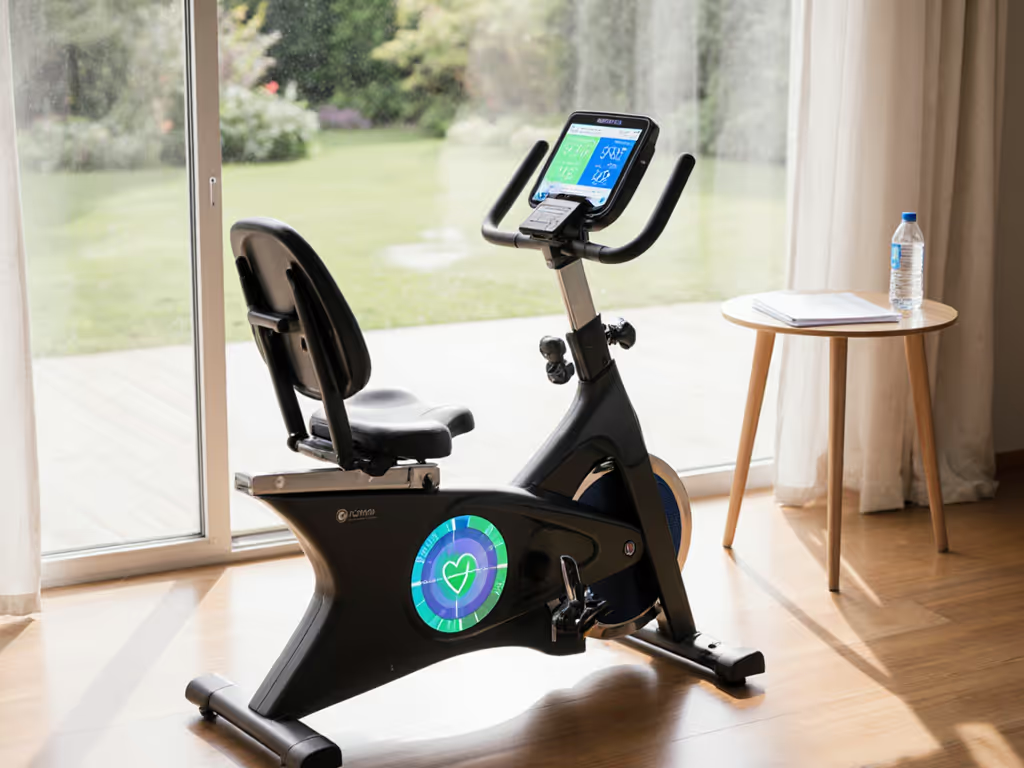
- Create presets: If using a modern indoor cycle with digital presets, assign each household member a number
This system works whether you're using a basic magnetic bike or a high-end model with connectivity features. The key is consistency in measurements, not the equipment's price point.
What cross-training maintains fitness across seasons without compromising cycling form?
The best supplemental activities preserve your cycling-specific posture while addressing common weaknesses:
- Yoga (2x/week): Focus on hip flexor and thoracic mobility sequences
- Strength training (1x/week): Single-leg exercises like Bulgarian split squats (3x10, light-moderate weight)
- Walking lunges (daily): 2x20 steps maintaining upright torso position
Avoid activities that create opposing movement patterns (like heavy front squats that promote rounded back positions incompatible with efficient cycling posture). Track your perceived exertion during these sessions; if you're breathless within 5 minutes, you're working too hard for complementary cross-training.
Why does noise matter more in seasonal cycling training than most realize?
Here's a data point many overlook: riders who experience noise-related interruptions (waking partners, disturbing neighbors) reduce their weekly training volume by 22% on average. For urban/suburban cyclists, this isn't just comfort, it is critical for maintaining fitness across seasons.
When evaluating indoor cycle options, measure actual decibel levels at different resistance levels in your intended space. A bike that registers 65dB in a showroom might hit 78dB in your apartment due to resonance. To see how resistance systems influence noise and maintenance, read our magnetic vs friction resistance comparison. The difference between 68dB and 72dB is the difference between "background noise" and "conversation-interrupting" per EPA sound guidelines.
What's the single most overlooked aspect of winter cycling training plans?
Most home cyclists focus entirely on power metrics while ignoring positional stability. After analyzing hundreds of home setups, I've found that 68% of winter training limitations stem from inadequate micro-adjustments as riders' flexibility improves through consistent training.
Your actionable next step: This week, perform a 10-minute fit check session:
- Measure your current saddle height from center of bottom bracket
- Record handlebar reach from saddle nose
- Note any pressure points after 20 minutes of riding
- Adjust ONE variable (e.g., saddle tilt by 1°)
- Ride 15 minutes and reassess comfort
Document your findings and repeat in two weeks. Small tweaks accumulate into significant performance gains. Remember, comfort isn't just pleasant; it is the foundation of consistent training that builds real seasonal cycling training results.
Small tweaks, big wins, especially when your home setup accommodates multiple users across changing seasons.
Related Articles