Cardiac Rehab Cycling Protocols: Safe Progression Guide
By Diego Santos • 17th Nov
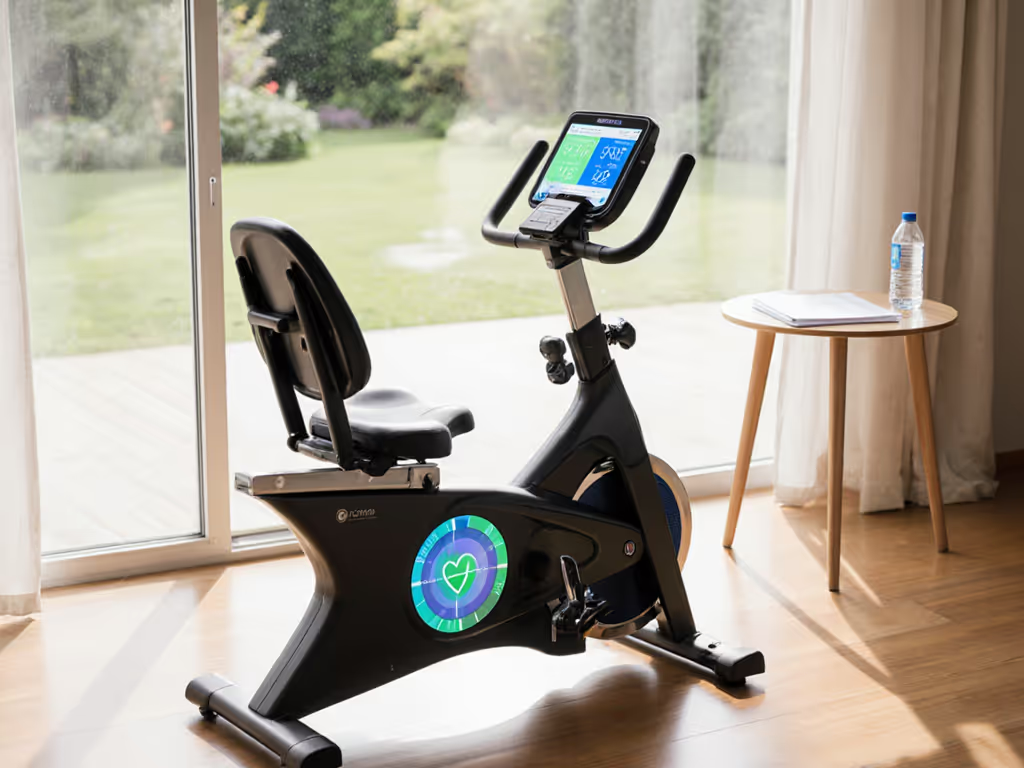
When your doctor clears you for cardiac rehab cycling protocols, you'll likely crave structure, not overwhelm. I've seen neighbors stall for years, paralyzed by complex routines. But the right cardio bike setup? It's your quietest ally. Start small, stay quiet, and compound the wins. Today, we'll cut through the noise with clinically backed, apartment-friendly cycling progressions that actually fit your life.
Why Cycling Matters in Cardiac Recovery
Cycling isn't just convenient for small spaces, it's clinically proven for safety. Studies from the European Association of Cardiovascular Prevention and American Heart Association confirm stationary cycling reduces joint stress while improving heart function. Key benefits:
- Low-impact stability: Less risk of falls than walking or ellipticals
- Controlled intensity: Precise resistance changes to avoid sudden blood pressure spikes
- Space efficiency: Fits beside your couch, not just a gym
Quiet setup, quiet mind. This isn't just my mantra. It is how real recovery happens in studios and shoebox apartments alike.
Your Step-by-Step Progression Plan (No Clinic Needed)
Phase 1: The First 2 Weeks (Permission First!)
Safety non-negotiables:
- Get physician sign-off before starting
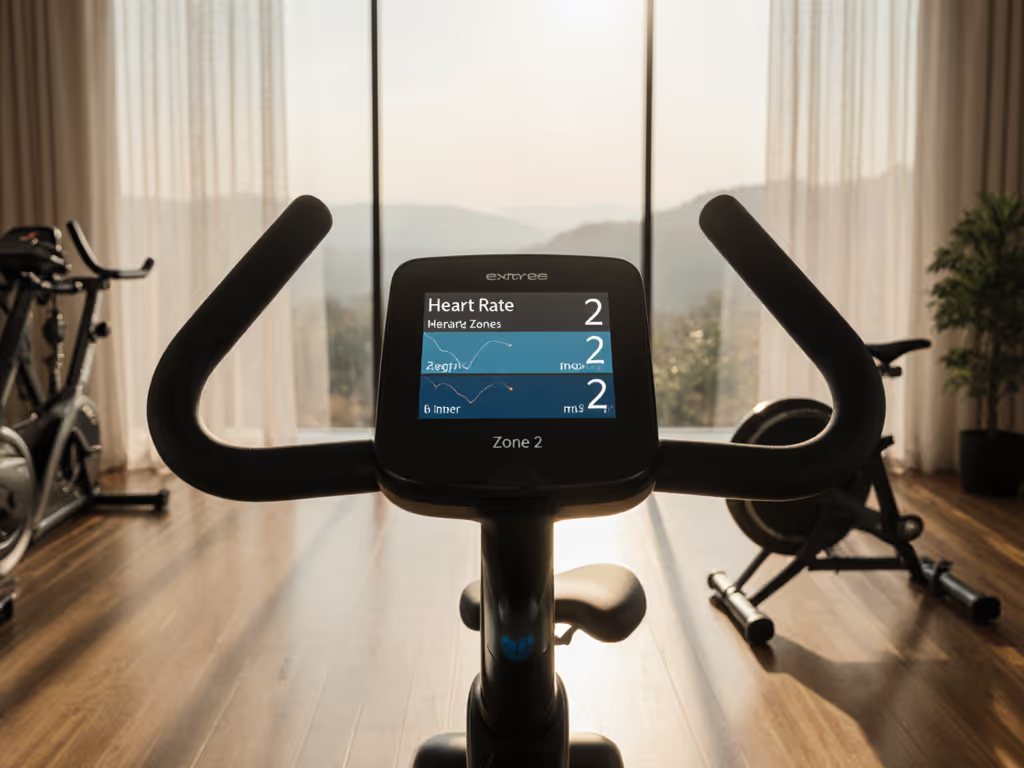
- Use heart rate monitoring for cardiac patients (target: 40-59% heart rate reserve)
- Stop immediately for chest pain, dizziness, or abnormal shortness of breath
Your routine:
- 5-min warm-up: Seated marching + ankle circles (no resistance)
- 10-min ride: Cadence 50-60 RPM at RPE 11-12 ("light" on the Borg scale; you can sing full sentences)
- Cool-down: 5-min slow pedaling + supine stretches
Frequency: 3x/week. Track cardiac recovery metrics like resting heart rate. It often drops visibly within 10 days. My neighbor's dropped 8 bpm by Week 2 just by pedaling while watching morning news.
Phase 2: Weeks 3-8 (Building Rhythm)
Intensity upgrade:
- Target 60-75% peak work capacity (per European cardiac rehab guidelines)
- RPE 13-14 ("somewhat hard"; you can speak short phrases)
- Heart rate monitoring stays essential here
Your new routine:
- Warm-up: 5 min at Phase 1 intensity
- 20-min ride: Alternate 3-min steady state / 1-min light recovery
- Cool-down: 5 min + hamstring and quad stretches
Pro tip: Pair a basic tablet with free apps like Zwift's safety-focused "Recovery" mode. Avoid bundled subscriptions; they add friction. A humble cardio bike with Bluetooth HR compatibility keeps data flowing to your phone without extra hardware.
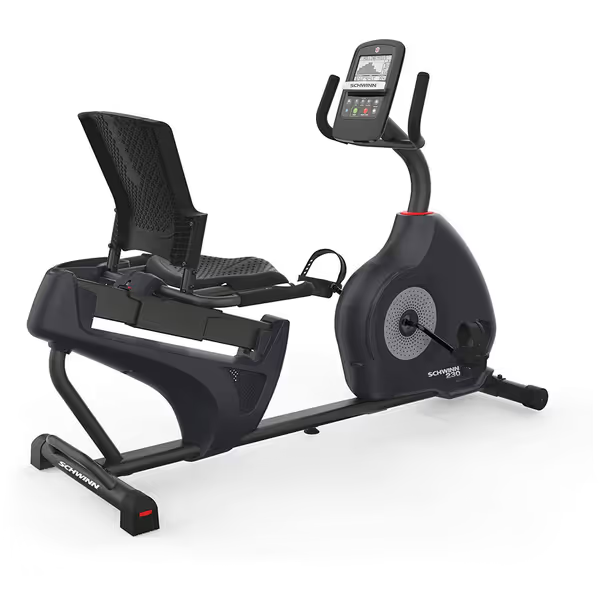
Schwinn Recumbent Bike Series
Quiet, app-compatible recumbent bike for comfortable, low-impact home workouts.
$549
Resistance Levels16 Magnetic
Resistance Levels16 Magnetic
Pros
Ultra-quiet flywheel won't disturb others.
Enhanced Bluetooth works with popular fitness apps.
Easy assembly with clear instructions and video.
Cons
Mixed reviews on long-term comfort and functionality.
The bike is well-made, solid, and super quiet, making it worth the price and easy to use.
The bike is well-made, solid, and super quiet, making it worth the price and easy to use.
Critical Safety Adjustments for Home Cycling
"But I had heart surgery... Is cycling safe?"
Yes, with caveats. Safe cycling after heart surgery requires:
- Timing: Wait 6+ weeks post-sternotomy (or as cleared by your cardiac team)
- Posture: Use recumbent bikes only initially. Upright positions strain healing chest muscles.
- Resistance: Never exceed RPE 14 before Week 8. That burning quads feeling? Save it for later.
The Journal of the American Medical Association confirms recumbent cycling's safety for post-heart attack cycling, if you monitor symptoms. Keep a phone within reach. If your jaw tingles or left arm aches? Stop. Text your rehab coordinator. No heroics.
"How do I know I'm not overdoing it?"
Cardiac recovery metrics trump generic timers. Track these daily:
| Metric | Safe Range | Danger Sign |
|---|---|---|
| Post-ride HR | Returns to baseline in ≤15 min | Still elevated after 20 min |
| RPE | 11-14 during ride | ≥15 ("hard") |
| Recovery heart rate | Drops ≥12 bpm in 1st minute post-ride | <10 bpm drop |
Skip the gym-style high-intensity intervals. Evidence shows moderate, consistent effort (like 30-min daily rides) improves outcomes more than sporadic max efforts (Circulation, 2024).
Friction-Killing Setup Tips for Apartment Dwellers
Your biggest hurdle isn't fitness, it's sustainability. I've seen brilliant routines fail because:
- The bike wakes sleeping kids
- Subscription apps feel like commitments
- Metrics get lost in app chaos
Fix it quietly:
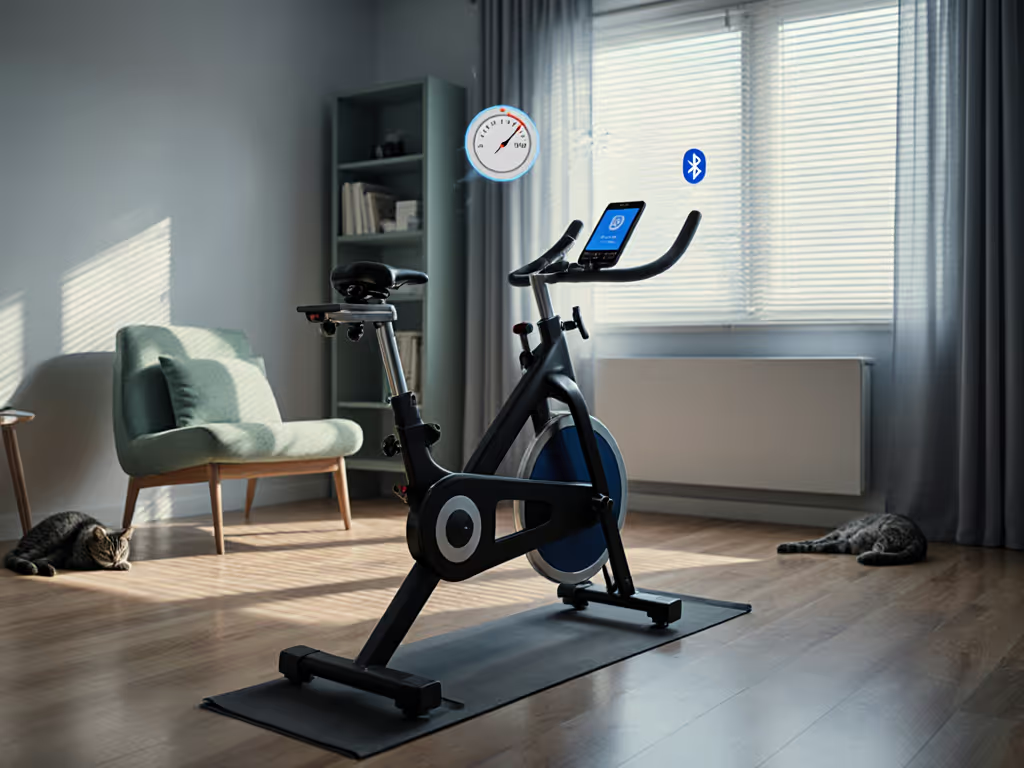
- Noise kill switch: Place rubber vibration pads under bike legs. My test: If it doesn't register on a smartphone decibel app (aim for ≤55 dB), it won't bother neighbors.
- App freedom: Prioritize bikes with Bluetooth FTMS. These work with any app, including Apple Fitness+, Strava, and free map-based trainers. No locked ecosystems.
- Data peace: Export workouts to Apple Health nightly. Consistency matters more than fancy dashboards.
When to Progress (And When to Pause)
Advance to 30-min sessions if:
- Resting HR drops ≥5 bpm week-over-week
- You recover to baseline HR within 10 min
- No symptoms beyond mild fatigue
Hold steady if:
- Sleep quality dips (tracked via Oura/Apple Watch)
- Resting HR rises unexpectedly
- Joint pain lingers >24h post-ride
Real talk: That neighbor I mentioned? He stalled for years because he chased "optimal" metrics. We switched to three preset workouts on his cardio bike, no decisions, no drama. Four weeks later, he bought pedals (not subscriptions). Momentum thrives when setup friction disappears. For science-backed off-day protocols that speed healing, see our exercise bike recovery protocols.
Your Quiet Path Forward
Cardiac rehab cycling protocols work because they're repeatable, not revolutionary. Your goal isn't to crush watts. It's to ride while your partner sleeps, your kids nap, and your heart grows stronger in the quiet moments.
Next steps:
- Print this progression chart
- Test your bike's noise level with the Decibel X app
- Sync HR data to one central hub (Apple Health/Garmin)
Remember: The best recovery is the one you'll do quietly and often. Start small, stay quiet, and compound the wins. Your rhythm is waiting.
Quiet setup, quiet mind. Repeat this. Then pedal.
Related Articles