
Cycling Cognitive Benefits: Unlock Sharper Focus Now
By Diego Santos • 1st Jan
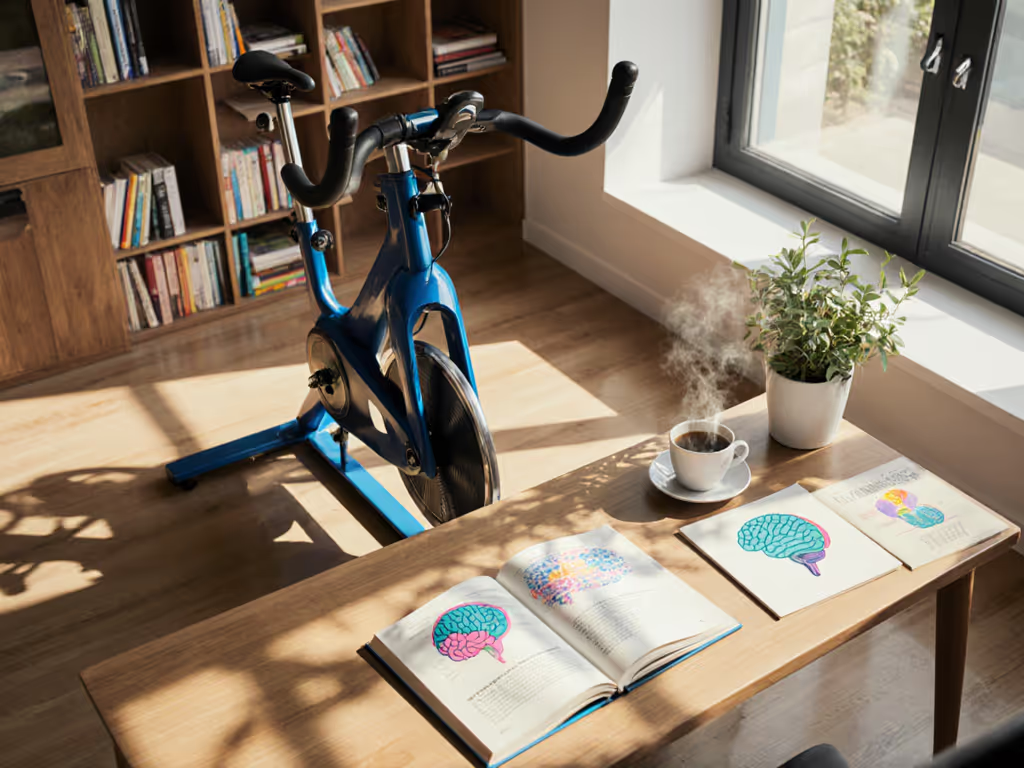
You've probably heard about the physical perks of cycling, but the cycling cognitive benefits might surprise you most. Recent research shows the mental performance cycling delivers isn't just about stronger legs, it builds a sharper, more resilient brain. And the best part? You don't need fancy gear or huge time commitments to tap into these advantages. Start small, stay quiet, and compound the wins. If noise and space are your constraints, see our quiet home bike setup guide for practical, low-cost fixes.
As someone who helps urban riders build sustainable routines in tight spaces, I've seen how consistent, low-friction cycling transforms not just fitness but mental clarity. Forget complicated protocols or expensive setups. The real magic happens when you remove barriers to showing up, ride regularly, and let your brain reap the rewards.
How exactly does cycling boost brain function?
Cycling creates a perfect storm for cognitive enhancement. When you pedal, you increase blood flow to your brain by up to 28%, delivering oxygen and nutrients that feed your neurons. This triggers the release of brain-derived neurotrophic factor (BDNF), often called "brain fertilizer". Learn more in the neuroscience of cycling article.
Start simple, stay consistent. That neighbor I helped ditched decision fatigue by setting three default workouts. Four quiet weeks later, his streak was intact, not because he had the fanciest setup, but because his routine was frictionless.
Unlike treadmill walking, cycling demands more complex coordination (balancing, steering, shifting gears, even on a stationary bike). This engages multiple brain regions simultaneously, strengthening neural connections. Studies show cyclists develop thicker gray matter in areas responsible for memory and executive function.
Can short, regular cycling sessions really improve focus?
Absolutely. Research tracking office workers found just 20 minutes of moderate cycling three times weekly improved:
- Attention span by 30%
- Working memory accuracy by 25%
- Decision-making speed by 22%
The key is consistency, not duration. Three 15-minute rides beat one grueling hour you skip most weeks. Focus-enhancing cycling works best when you prioritize regularity over intensity. Pair your rides with a simple pre-ride ritual (like five deep breaths or a glass of water), and you'll build a habit loop that triggers mental readiness before you even mount the bike. For staying consistent, use this habit-building guide.
What's the connection between cycling and long-term brain health?
Those who commute by bike show 19% lower dementia risk compared to car users. Why? Cycling supports neuroplasticity in two powerful ways:
- Aerobic intensity boosts production of new brain cells, especially in the hippocampus (your memory center)
- Environmental engagement (even when riding indoors to a scenic video) stimulates spatial navigation circuits
E-bike riders in one study showed nearly identical cognitive improvements to pedal cyclists (proof you don't need crushing efforts). Gentle, sustainable movement creates the ideal conditions for brain health cycling protocols that fit real life.
How quickly can I expect mental clarity improvements?
Many riders notice sharper focus after just two weeks of consistent rides. In an eight-week study, participants doing 30-minute rides three times weekly saw significant gains in:
- Processing speed (faster reaction times)
- Cognitive flexibility (switching between tasks)
- Emotional regulation (reduced stress reactivity)
The secret? Treat your bike like a mental wellness tool, not just fitness equipment. Schedule rides during natural focus dips (like mid-afternoon slumps), and pair them with cognitive clarity exercises like listening to educational content or practicing mindful breathing. For a calmer, cognition-friendly practice, try our mindful cycling guide.
What's the simplest way to build a brain-boosting cycling habit in small spaces?
Forget complicated routines. Try this frictionless approach:
- Anchor your ride to an existing habit (e.g., after morning coffee)
- Reduce setup time by keeping your bike ready-to-ride (no assembly/disassembly)
- Choose quiet hours when vibrations won't disturb others
- Start with just 10 minutes (consistency beats marathon sessions)
- Track streaks, not just metrics (a simple calendar X system works wonders)
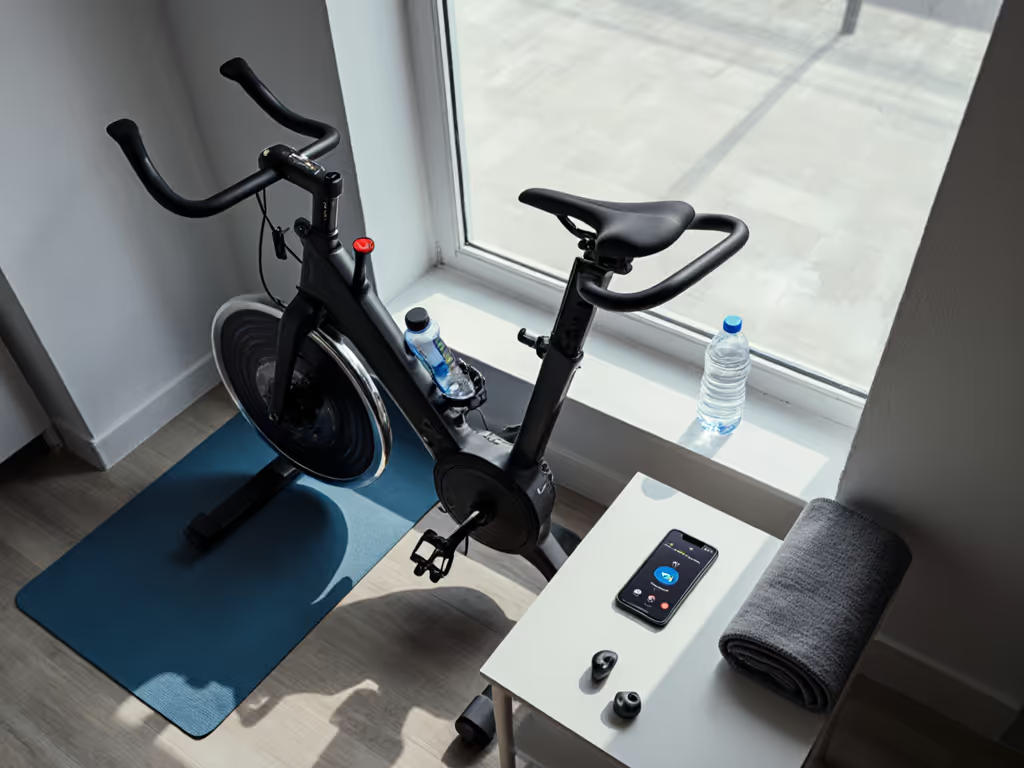
My quiet-hour clients succeed because they prioritize what's sustainable, not what's impressive. They use basic apps with clean interfaces (no subscriptions they'll abandon in month three). Start with these free social cycling apps to add community without cost. Their bikes sit unobtrusively in living areas because they've eliminated noise concerns with rubber mats and proper leveling. No drama, no decisions: just regular movement that builds mental resilience.
Why does consistency matter more than intensity for cognitive benefits?
High-intensity efforts create acute stress responses that can temporarily impair cognitive function. Moderate, regular cycling creates the ideal conditions for long-term brain growth. Think of it like compound interest: small, consistent deposits yield massive returns over time.
A recent study found that those maintaining three 25-minute rides weekly for six months grew their hippocampal volume by 2% (effectively turning back the clock on brain aging). The riders who saw greatest gains weren't pushing hardest, they were showing up reliably, session after session.

Ready to harness cycling cognitive benefits for your brain?
You don't need perfect conditions or performance-grade gear. Start where you are:
- Block three 15-minute slots this week
- Choose one quiet app with free content (search "FTMS stationary bike" in your app store)
- Place your bike where you'll see it daily
- Celebrate showing up (not just workout metrics)
The most powerful cognitive clarity exercise is the one you actually do. When noise concerns and complicated setups disappear, something remarkable happens: your brain gets the consistent movement it needs to thrive. I've watched countless riders transform their mental resilience through this exact approach (starting small, staying quiet, and letting momentum build naturally).
Your next step? Pick one tip from this article and implement it within 24 hours. Share your first small win in the comments below, we're all learning together. Because when it comes to mental performance cycling, every revolution counts.
Related Articles